
Exercise and endometriosis
It is important to exercise regularly to promote overall health and well-being. Physical activity has a wide range of health benefits and is particularly relevant to endometriosis for a number of reasons.
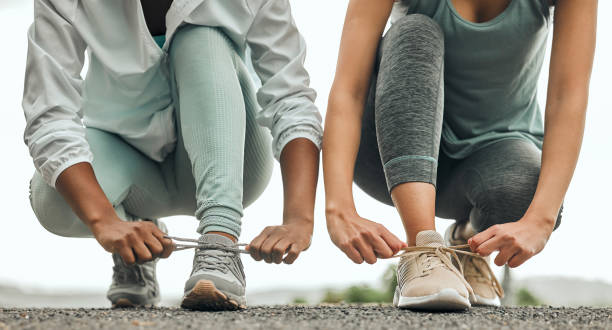
Regular exercise is thought to have a beneficial effect on diseases that involve inflammatory processes and is even thought to reduce estrogen levels in the body. In addition, exercise has a pain-relieving effect because during physical activity, some of the body's own pain-relieving substances, called endorphins, are secreted. In this way, exercise can act as a mild form of pain relieving medication.
Exercise cannot cure endometriosis or chronic pain, but it can help alleviate some of the uncomfortable symptoms that the disease may cause. For example, being sedentary increases the risk of constipation, as the bowels become more stagnant than when we move. Physical movement is therefore important for optimal bowel function and can help relieve constipation, among other things.
Exercise and physical movement can also be a good distraction from illness and pain, and it can help increase mental health and self-esteem, as well as provide more energy and less fatigue in everyday life.
Exercise is any physical activity that makes you feel at least a little out of breath. This can be anything from gardening, walking the dog, or taking the stairs, to more formalized exercise such as ball sports, fitness training, running, cycling, and more.
There are no specific recommendations for what type of exercise to choose when you have endometriosis, nor are there specific types of exercise that you should avoid. What you choose depends on your starting point, i.e., your current level of exercise, your challenges, your personal preferences, and, of course, whether there are certain types of exercise that you feel have a particularly beneficial effect on your symptoms, or whether there are certain types of exercise that you feel aggravate your pain and should therefore be avoided.
There are also no specific recommendations for how much or how long you should exercise when you suffer from endometriosis. The Danish Health Authority's recommendation is to exercise for 30 minutes a day, which includes all activities that make you out of breath. It is okay to break up the 30 minutes into several periods, but at least 10 minutes of continuous exercise counts as exercise.
When you are suffering from pain and fatigue, it can be really hard to start exercising. Therefore, it is important to emphasize that a little exercise is better than no exercise and that exercise should be fun.

