
Diet and endometriosis
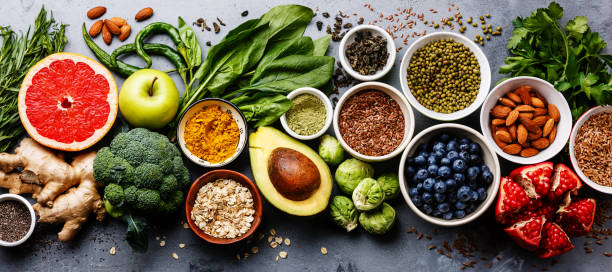
Many women with endometriosis experience various gastrointestinal problems. These can include abdominal pain, bloating, increased gas, diarrhea, and/or constipation, and for some, severe pain associated with bowel movements.
Research suggests that endometriosis itself can cause various gastrointestinal problems, including pain. This happens because endometriosis affects the nervous system of the abdominal cavity, making it more sensitive to pain and triggering reflexes that affect bowel function. This may help explain why women with endometriosis very often experience the same symptoms as the functional bowel disorder called irritable bowel syndrome or IBS.
IBS is characterized by visceral hypersensitivity, which is hypersensitivity to impacts in or around the internal organs in the abdominal cavity, including the gut. This means that people with IBS experience more pain and discomfort from the gut than healthy people when exposed to the same impacts on the gut, and they may be more hypersensitive to factors that can affect gut function, such as certain foods and drinks. The natural movement of the bowel is also affected, meaning diarrhea and constipation can occur more easily and trigger colic-like pain. A healthy diet and lifestyle are therefore thought to alleviate the gastrointestinal problems and pain of endometriosis.
It is important that the body is constantly supplied with energy to maintain all its functions, including building new cells and repairing existing cells. The energy the body needs comes from nutrients in the food we eat, with much of the food the body absorbs being used for vital processes, while the rest is excreted through urine and feces.
But what is a healthy diet and lifestyle exactly when suffering from endometriosis? There is not much research on this topic, and the more general recommendations for healthy eating and exercise are therefore relied upon. In a book published by the Danish Endometriosis Association, two nutritional experts have given their take on what an endometriosis-friendly diet and lifestyle entails. These are:
- Eat a varied diet - and an adequate amount (neither too much nor too little)
- Eat regularly throughout the day and take your time when eating
- Eat mostly unsaturated fat from fish and plants and cut down on saturated fat from animals and dairy products
- Eat vegetarian at least once a week
- Eat a high-fiber diet
- Choose seasonal and organic fruits and vegetables - preferably 600 grams a day
- Cut down on sugar from candy, soda, and sweets - but enjoy it when you eat it
- Cut down on alcohol - but enjoy it when you drink it
If you suffer from unpleasant gastrointestinal symptoms despite following the general healthy eating advice, it is possible to try different diets that target specific symptoms such as menstrual cramps or IBS-like symptoms. However, it might be a good idea to contact a nutritional specialist who can help you get started and give you advice and guidance.

