
The transition from acute to chronic pain
There is always a risk that acute pain can turn into chronic pain. This is because the pain system is plastic, meaning it can change. It is a bit like practicing something and getting better at it over time. The same is true for pain.
For some people, the more times they experience pain, the better they become at feeling pain. The pain system becomes more sensitive and over time they will experience a reduced pain threshold. In the most severe cases, damage to the nervous- or pain system can occur, causing pain impulses to be sent despite the cause of the pain (the tissue damage) is not there anymore.

An example is the development of chronic pain in endometriosis. A woman starts experiencing severe menstrual pain and is treated with birth control pills and painkillers. Despite this, the pain progresses and becomes debilitating, and she will need to take time off school or work during her menstrual period. In reality, this is already chronic pain, as it recurs regularly every time, she has her period and because the pain leads to a functional disability.
Unfortunately, for some women with endometriosis, despite medical and surgical treatments that attempt to remove the cause of the pain (endometriosis lesions and menstrual bleeding), the pain develops into debilitating pelvic pain which is present constantly and independent of the woman's menstrual cycle.
The development of chronic pain in endometriosis
Some of the questions that concern and frustrate doctors, researchers and women themselves are why some women with endometriosis develop chronic abdominal pain while others do not, and why some continue to experience pain even after endometriosis has been surgically removed.
Scientific reviews, which are articles that bring together studies and knowledge within a very specific and limited area, suggest that there are many different factors that contribute to the development and experience of chronic abdominal pain in endometriosis. These putative factors are described below.
Peripheral stimuli and inflammation
:
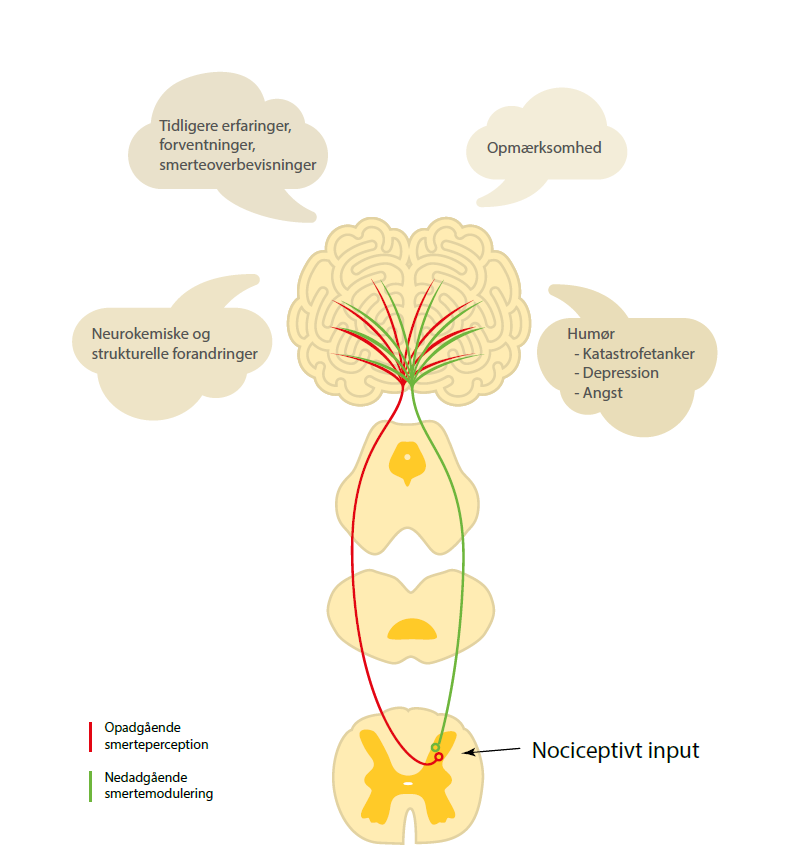
The first and most logical reason for experiencing abdominal pain in endometriosis is due to the presence of a peripheral stimulus that provides a nociceptive input. An example of a peripheral stimulus would be bleeding from the endometriosis tissue into the abdominal cavity. When bleeding occurs in the abdominal cavity, a signal is sent through the nervous system and up to the brain that the "input" now running through the nerve pathways should be interpreted as pain. Bleeding in the abdominal cavity also creates a local inflammatory state, and increased inflammation will activate the sensory nerve fibers and thus increase the perception of pain.
Peripheral sensitization
Studies show that once the inflammation has activated the sensory nerve fibers, they can become sensitized, meaning they become "hyperactive" and continue to send out electrical signals even after the inflammation has disappeared. This is called peripheral sensitization. In addition, it has been found that the endometriosis tissue in the abdominal cavity can develop its own nerve supply, creating a direct communication pathway between the tissue and the central nervous system.
HPA axis activity and the immune system
It has been found that endometriosis can cause activation and dysfunction in the part of the nervous system known as the HPA axis. Activation of the HPA axis can result in lower cortisol levels, which in turn can result in increased inflammation. Dysfunction of the HPA axis can lead to lower immune function.
Psychological factors
Studies have shown that psychological factors can influence the experience of pain, either increasing or decreasing its intensity depending on the quality of the psychological factors. For example, depression, anxiety, and catastrophizing have been found to affect pain modulation and lead to an increased pain experience.
Central sensitization
Central sensitization is a permanent change in the central nervous system that results in increased activity, where the system continues to send pain impulses despite the fact that the cause of the pain may have healed. The change in the central nervous system also leads to a higher sensitivity to pain, and what was previously perceived as normal input now elicits an exaggerated response and is therefore perceived as pain. This also means that the threshold for when something registers as pain is lowered.
Overall, what happens is that the pain is maintained and persists despite the fact that the damage (e.g., endometrial tissue and inflammation) that triggered the pain in the first place has disappeared.
Cross-organ effects
Animal studies have shown that pain can be transmitted between organs in the abdomen. This might help explain, for example, pain related to bladder and bowel function despite the fact that endometriosis cannot be found in the bladder or bowel. Pain can also be transmitted from the organs to the skin or muscles.
Previous surgeries
When performing a surgical procedure/surgery, there are always risks involved. One of them is the risk of damaging nerves. Damage to the nerves can cause nerve pain and can increase the risk of developing central sensitization.

