
Pain mechanisms in the abdomen
Pain in the abdominal organs is a complex interplay that is still poorly understood, but what we do know can already help to explain the complex pain symptom picture in many girls and women with endometriosis and why some develop chronic abdominal pain.
However, this limited knowledge makes the treatment of abdominal pain somewhat more uncertain, as the nervous system in the abdominal organs is structured completely differently from the nervous system in the skin, muscles, and joints.
The nervous system of the abdominal cavity is much less precise, making it difficult to feel where and in which organ the pain is located. Often there is also no correlation between the amount of "damage" a disease has caused to the abdominal organs and the intensity and discomfort of the pain. A small injury can therefore sometimes be more painful than a large injury.
For example, as described in the section above, prolonged inflammation in the abdomen can cause some nerves to become better at detecting pain. It can also happen that "dormant" nerves are awakened and become active in detecting pain, which can mean that what was previously perceived as normal is now experienced as pain.
At the same time, the nervous system can change so that pain impulses continue to be sent despite the cause of the pain is longer present. An example of this would be continued pain after surgical removal of endometrial tissue.
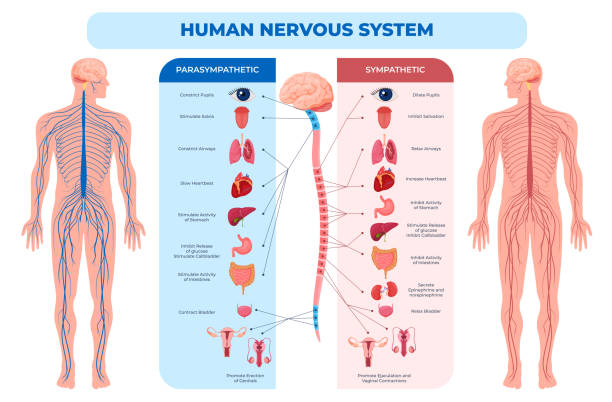
Pain in the abdominal organs is much more likely than other kinds of pain to trigger autonomic reflexes such as nausea, vomiting, blood pressure and pulse changes, sweating, and emotional discomfort. The purpose of this is to ensure the person responds appropriately to minimize injury and ensure survival. It can be expressed through fatigue, which leads to rest, giving the body time to recover, or it can be expressed through vomiting or diarrhea, which, among other things, aims to prevent harmful foreign bodies from entering the body. The autonomic reflex may be a partial explanation for the pronounced fatigue seen in women with endometriosis-related chronic pelvic pain.

