
Endometriosis pain
Studies indicate that endometriosis is characterized by various symptoms that are more often present simultaneously in women with endometriosis than in women without endometriosis. med endometriose end hos kvinder uden endometriose.
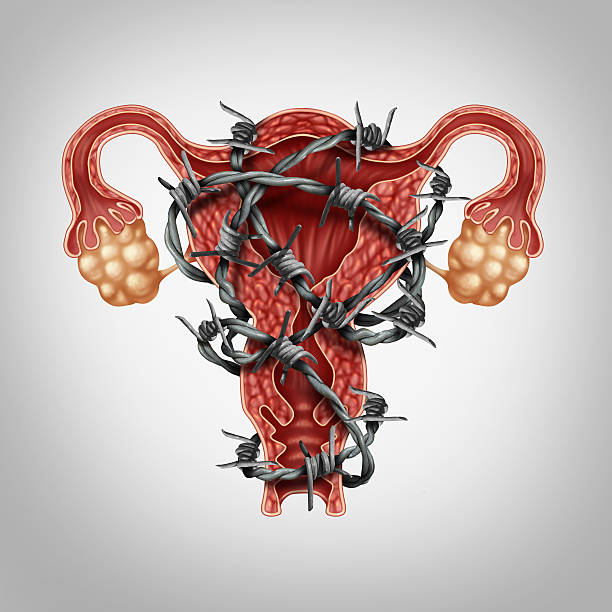
The most common symptoms are:
- Heavy menstrual pain
- Pain during ovulation
- Pain between periods
- Pain during urination
- Pain during bowel movements
- Constipation
- Diarrhea
- Bloating
- Irregular bleeding
- Nausea or vomiting
- Invalidating fatigue
New research suggests that many of these symptoms may be triggered by endometriosis via reflexes that run through the abdominal nervous system.
Combining this knowledge with animal studies and what is known about pain mechanisms in the abdominal organs may help explain why some women with endometriosis experience pain in non-endometriosis areas of the abdomen, such as the bladder or bowel.
The nervous system is imprecise and sends a barrage of pain impulses to the organs in the abdomen, even though endometriosis may only be located in a single organ.
The latest studies, therefore, suggest that there is a biological explanation for the many non-specific pain symptoms associated with endometriosis. This biological explanation should always be part of the doctor's considerations to avoid misunderstandings, stigmatization, and psychologizing explanations for women's non-specific pelvic pain, and endometriosis should always be considered when cyclical variations in pelvic pain symptoms are observed, i.e. when the pain changes in relation to the menstrual cycle.

