
Anxiety
Anxiety, like stress, is a fundamental part of being human and, under normal circumstances, only occurs for short periods of time. You may experience it as a change from general alertness to nervousness and tension, to apprehension and fear, and then to varying degrees of anxiety. Anxiety is a survival mechanism because we need to use the vigilance of anxiety to protect ourselves. We must avoid danger by quickly and effectively mobilizing both body and mind to act appropriately in the specific situation that triggered the anxiety.
Anxiety can be characterized by physical symptoms such as nervousness, palpitations, breathing difficulties, dizziness, sweating, shaking, or muscle tension. There can also be more psychological symptoms such as worry, speculation, rumination, and racing thoughts or so-called catastrophic thoughts, where you worry and imagine the worst.

If anxiety develops and becomes persistent/chronic, it can lead to limitations in everyday life or life in general. It can lead to avoidance actions in an attempt to avoid the situations that may cause anxiety or discomfort, and slowly life can become more and more restricted in an attempt to avoid the anxiety and the physical and emotional discomfort.
That is why it is important to manage your anxiety so that you can get back to doing the things in everyday life that are important to you and give you quality of life.
Anxiety and chronic pain
There is a greater risk of developing anxiety if you also suffer from chronic pain due to your endometriosis. Because pain is the body's warning that something is wrong, acute pain will often trigger reactions similar to those associated with fear and anxiety. Of course, chronic pain can also cause worry and fear. Fears about what is wrong and whether it is something serious? Can it be treated? And what will happen next?
Both general anxiety and fear of pain itself can disrupt and affect physiological pain perception and can make nerve fibers more sensitive to pain. Fear of pain itself can result in avoidance behaviors, such as inactivity, which in turn can increase the tendency for muscle and joint pain, i.e. secondary pain. A vicious cycle of pain causing anxiety and anxiety amplifying pain can be created if the development of anxiety related to endometriosis and chronic pain is not addressed.
As an endometriosis patient, once you have been assessed and have an explanation for your pain, you may think that the anxiety should subside, but feelings are not always logical and anxiety can linger. This can among other things, be expressed through catastrophic thoughts.
Catastrophic thoughts about the pain
When you experience pain or even just expect to experience pain, catastrophizing about the pain can occur. Catastrophic thoughts are a combination of negative thoughts and emotions. They are expressed as a tendency to ruminate (i.e. ponder or speculate at length) about the pain, exaggerate the threat of the pain, and feel helplessness in the face of the pain.
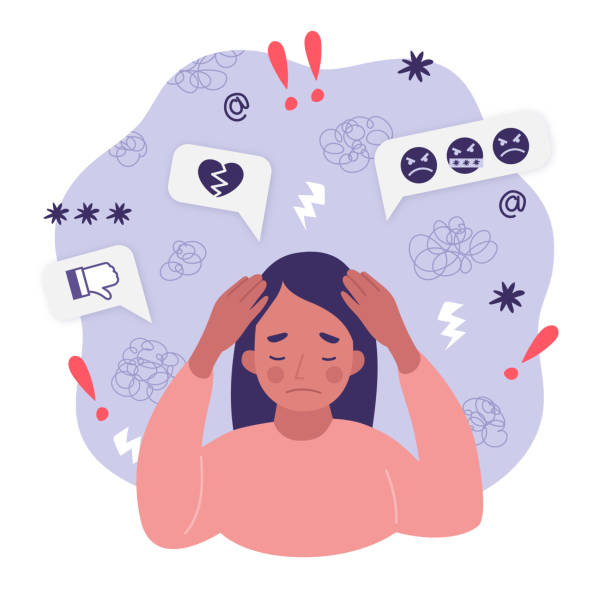
Catastrophic thoughts can be seen as an attempt to prepare for the worst-case scenario, but they tend to come up again and again. Many of these thoughts take the form of unanswered questions that can be neutralized by finding an answer. However, answers are rarely found this way, and when you do not think things through or decide on a plan of action, catastrophic thoughts can fuel anxiety and exacerbate the pain experience.
Many women with endometriosis are familiar with having pain-catastrophizing thoughts during the period between noticing symptoms and being diagnosed. The increasing pain can lead to concerns about what causes the pain and whether it is something dangerous. At this point, no one can tell you why it hurts. Many people feel helpless during this period, and both uncertainty and thoughts of disaster can exacerbate the pain experience.