
The importance of expectations and attention
Expectations
From research on placebo effects, we know that expectations play an important role in how much of an effect a patient experiences from a given pain treatment. A placebo effect has previously been understood as an inactive treatment or a "cheat treatment", but today the placebo effect is seen as an active and effective part of the pain treatment.
In pain treatment, the placebo effect is explained as the reduction in pain experienced by the patient as a result of the therapeutic part of the treatment. Research studies have established that pain relief in conjunction with placebo therapy has a pain-relieving effect.
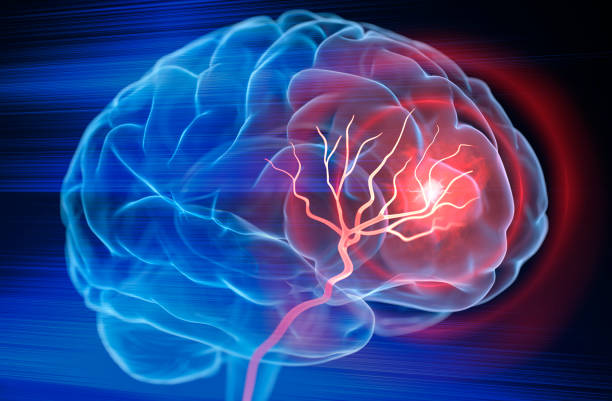
Using brain scans, it has been found that the placebo effect activates areas of the brain related to past experiences and expectations. At the same time, the body's natural pain-relieving system is activated by releasing what are called endogenous opioids, resulting in a pain-relieving effect. In other words, there is a very real biological explanation for the pain-relieving effect created by positive expectations.
Previous experiences with pain treatments and expectations, therefore, have a major impact on whether the body's own pain-reducing system is activated when receiving a pain treatment. In practice, this means that the effect of a pain treatment can be increased in interaction with the placebo effect, i.e. your own positive expectations of the treatment you receive.
Attention
Conscious attention can help regulate and control the experience of pain to some extent. However, there is a big difference between acute and chronic pain.
Acute pain is short-lived, and therefore distraction or moving your attention away from the pain often has a pain-reducing effect in acute pain. Roughly speaking, this may be because we find it difficult to pay attention to or be aware of several things at once. Conversely, in acute pain, increased attention to the pain can increase the intensity of the pain.
Distraction, on the other hand, does not work well for chronic pain. With long-term and persistent pain, it is simply not possible to be distracted all the time. Instead, experience shows that by focusing your attention directly on the pain, you may experience a decrease in the pain intensity. One explanation could be that the unpleasant emotional reaction to the pain is separated from the physical part of the pain.
More generally, distraction works best for acute pain, whereas paying attention to the physical pain works better in the long run for chronic pain.
Through mindfulness training, you can achieve a targeted and conscious attention to physical pain experience. The aim of the practice is to keep bodily sensations, thoughts, and emotions separate from each other - not to identify with them, or to become engrossed in, follow or react to them. Instead, we need to accept them as they are and let go of them.
This may seem unnatural to do and therefore requires careful training and repeated practice.

