
Pain management
Many women with endometriosis and chronic pelvic pain also experience muscle tension in the abdomen. This is due to the body's response to persistent pain which is to tighten the muscles in the area around the pain.
If you have had pain due to endometriosis for a long time, you may therefore experience muscle pain in addition to the endometriosis pain, i.e., secondary pain caused by constant muscle tension and not a direct consequence of the endometriosis. Like endometriosis pain, it can be experienced as pelvic pain, but it is caused by tension in the muscles in and around the pelvis and can be located in the groin (either on both sides or just one), and it can radiate to the lower back or extend down the thigh, or it can be located in the perineum and extend to the rectum. The pain can be constant or sharp and can occur during and after intercourse, urination, or bowel movements.
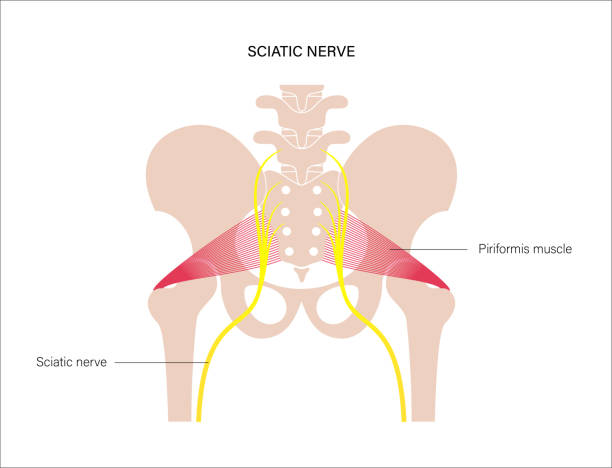
The pain may cause you to sit, lie down or move in a different way to relieve the painful area. However, muscle pain and changes in movement, sitting, or lying patterns can make the pain worse and cause unnecessary anxiety. All of this can lead to a vicious pain spiral.
This week (session 2) we continue with the body scan - short or long (optional) that we introduced last week, but we also expand with a series of yoga exercises that we have carefully selected for women with endometriosis-related pelvic pain. We continue in this way because we want to train and become better at "interoception" - listening to the body through self-observation. Interoception is the overlooked or hidden sense we use to sense or feel inner physical sensations.

