
What is endometriosis?
Endometriosis is a chronic disease in which tissue resembling the lining of the uterus is placed outside the uterus in the abdominal cavity. Here it may attach to the abdominal wall and the surface of the organs in the abdominal cavity and, in severe cases, it can grow into the abdominal wall or organs.
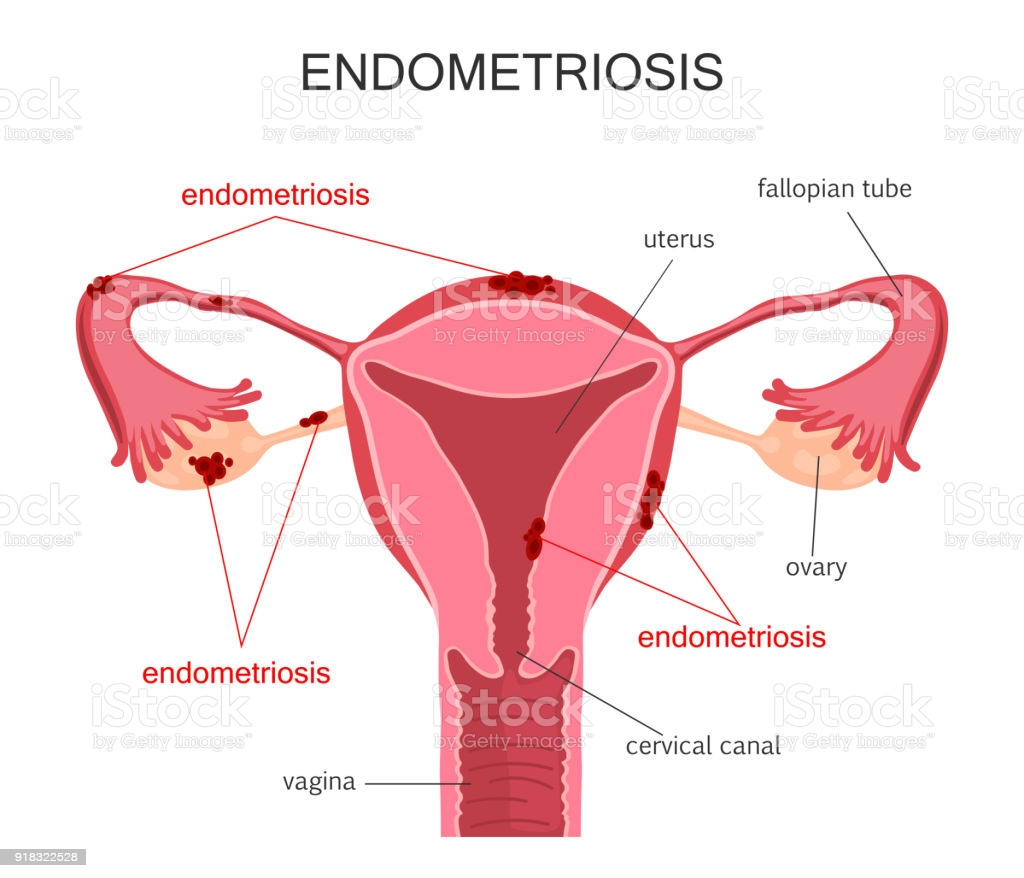
Endometriosis affects 5-10% of women of childbearing age, some of whom have no symptoms at all, while others may experience mild to severe symptoms. Symptoms arise partly because the endometrial tissue bleeds, causing inflammation, scar tissue, and risk of adhesions between the organs.
The disease can therefore lead to severe menstrual pain, chronic abdominal pain, fertility problems, and reduced quality of life. Endometriosis is not life-threatening, but many women find it debilitating because of its symptoms and effects.