
How is endometriosis developed?
Below is a side view of a woman's abdominal cavity. The abdominal cavity is the cavity that extends from the pelvis up to the diaphragm and is filled with the intestines. The abdominal cavity also contains the ovaries, fallopian tubes and the uterus, which is connected to the vagina. In front of the uterus is the bladder.
Endometriosis is most commonly found in the abdominal cavity, but in very rare cases it can also be found outside the abdominal cavity, for example on the lungs.
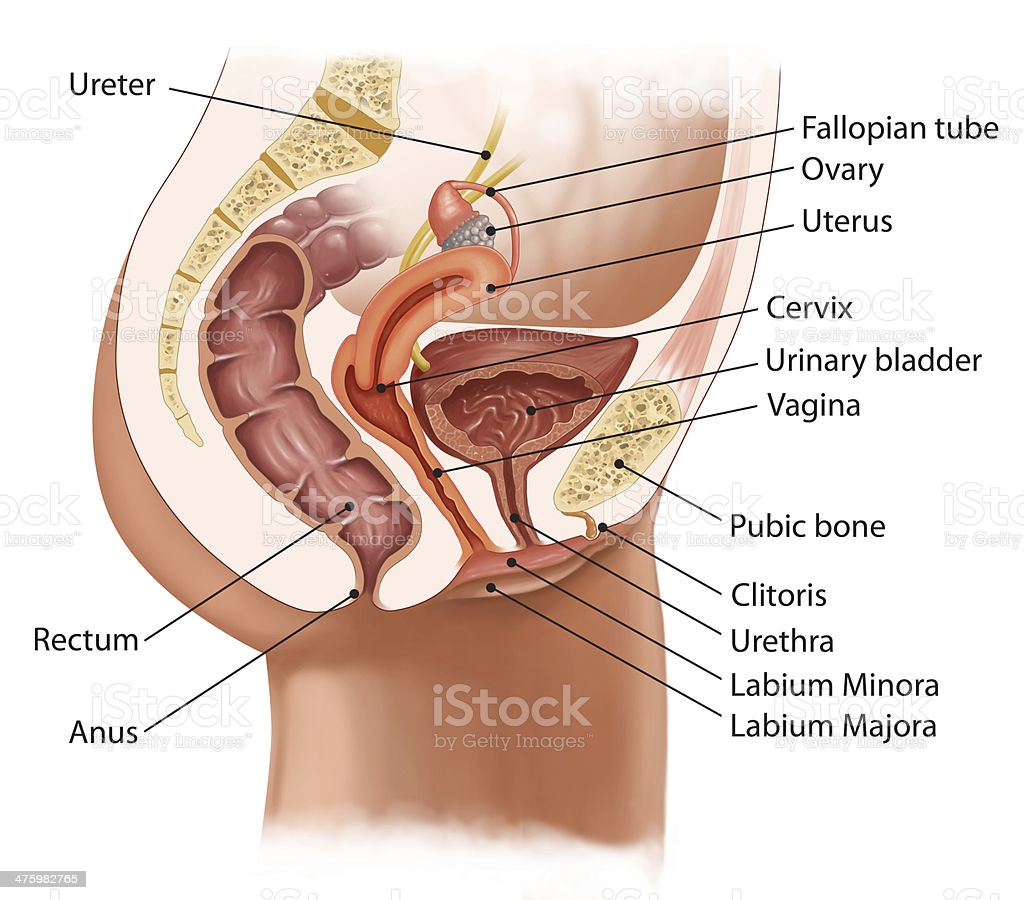
Inside the uterus is the endometrium, which is crucial for understanding endometriosis. What gives a woman her menstrual bleeding is when the endometrium in the uterus is expelled. When this happens, the endometrium bleeds inside the uterus, with the vast majority of the blood flowing out through the vagina, as we know it from menstruation.
However, in 3 out of 4 women, a small amount of blood also leaks backward through the fallopian tubes into the abdominal cavity. This is called backward or retrograde menstruation and is perfectly normal. The blood may be accompanied by small pieces of endometrial tissue from the uterus.
There are different theories as to why endometriosis occurs and no single theory can explain all cases of endometriosis. Therefore, research into the causes of the disease is still ongoing. However, many cases can be explained by menstruation traveling backward through the fallopian tubes into the abdominal cavity. Here, the small pieces of endometrial tissue traveling with the blood can attach to the wall of the abdominal cavity or to organs.
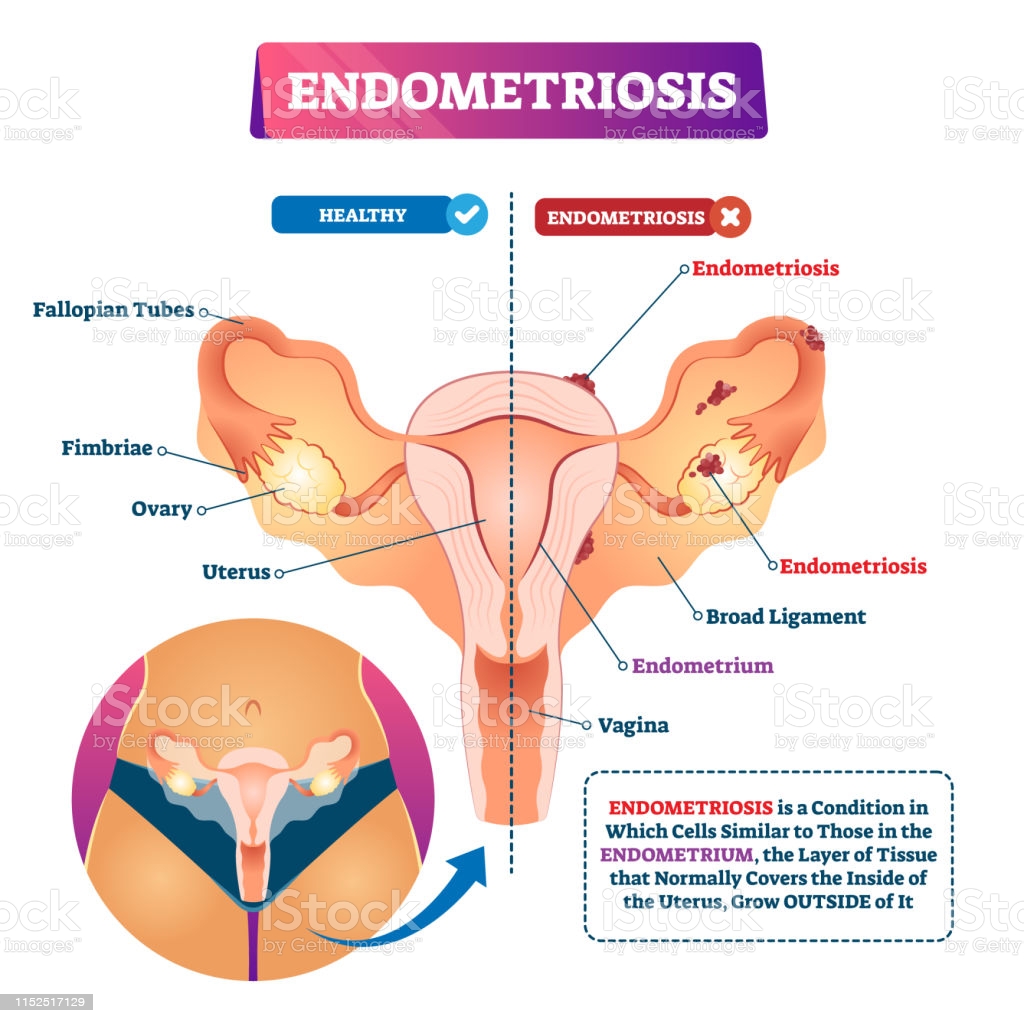
At first, the tissue looks like small clear patches that are barely visible. For reasons unknown, in some women, but not in others, the tissue develops into endometriosis as blood vessels grow into the tissue, causing it to change colour into red patches.
The blood vessels make the tissue active and it starts to behave in the same way as the lining inside the uterus. This means that it bleeds into the abdominal cavity, creating an inflammatory condition that causes the body's immune system to react and try to encapsulate the area so that blood can no longer leave. This causes the endometriosis tissue to change colour again, turning into black spots due to the clotted blood.
The body's immune response causes scar tissue to slowly develop around the endometrial tissue, which then changes colour to white, and in many cases, adhesions can form between the organs in the abdominal cavity.
It is not endometriosis itself that is the problem, but the symptoms caused by endometriosis. Early-stage endometriosis is quite common and not pathological and can be found in around 20% of women without any problems with pain or infertility.
But in other cases, it causes major pain problems. This may be because in some people endometriosis can cause a reaction in the nerves surrounding the endometrial tissue, and the nerves in turn can trigger reflexes in other organs. In some cases, the tissue will also trigger inflammatory reactions.
Endometriosis and the immune system
Little is known about the possible link between the immune system and the development of endometriosis, and we still don't know why the tissue causes these immune reactions and why it develops into a disease in some girls and women and not in others.
It is thought that this may be related to the localised inflammation that the tissue triggers when bleeding occurs in the abdominal cavity. Normally, inflammation is a healthy response in the body that keeps us free from inflammation and infection and repairs damage.
However, in endometriosis, the inflammation does not go away and endometriosis is therefore also referred to as a chronic inflammatory condition. Therefore, hormonal treatment of endometriosis is used to try to reduce bleeding and inflammation so that menstruation is rare or non-existent.
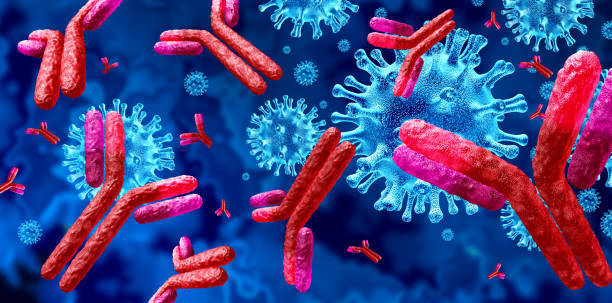
There are also studies that suggest that there are changes in the local immune system in the lower abdominal cavity around the uterus. Changes have been found in women with endometriosis that may mean that endometriosis cells are not removed and destroyed in the same way as they would be under normal circumstances. This may give the endometriosis tissue a better opportunity to develop.
However, there is little evidence to suggest that endometriosis is associated with a general weakening of the immune system. For example, women with endometriosis do not seem to get colds and flu more often than other women. However, endometriosis may indirectly be associated with more illness, as prolonged stress, psychological strain due to pain or infertility, hospitalization, and lack of sleep can put a strain on the body, making illness more likely to occur.

