Traditional treatment
Once you have been diagnosed with endometriosis, it is important that you together with your doctor determine what is of most importance to you with regards to future treatment. As treatment cannot cure endometriosis, the focus will be on relieving symptoms, and there may be different treatment options depending on whether the goal is to relieve pain or other symptoms or to achieve pregnancy.
Traditional endometriosis treatment often consists of a combination of hormonal, medical, and surgical treatments.
Hormonal treatment
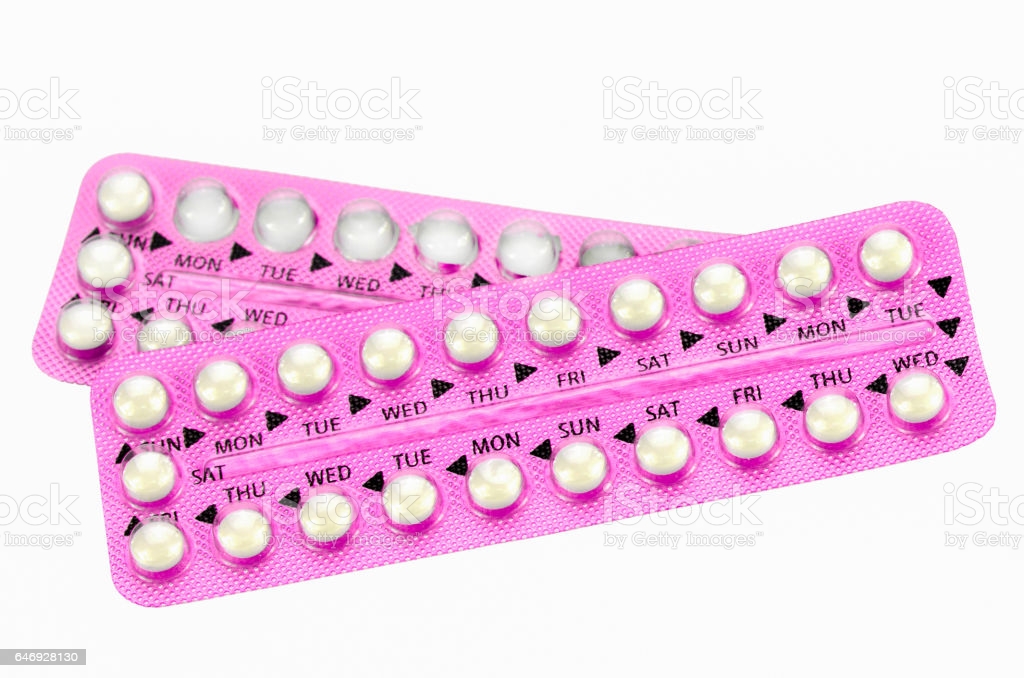
The medical treatment is most commonly hormone therapy. The most used drugs to treat endometriosis are birth control pills, mini-pills, or hormonal IUDs. A combination of oral contraceptive pills and hormonal IUDs may be used if one of these treatments alone are not sufficient.
In severe cases where other treatments are not sufficiently effective, it may be necessary to induce artificial menopause. With this solution, the ovaries are put out of action for a period of time by administering an injection under the skin.
This treatment is typically given every 3 months and mimics the condition that occurs after menopause, where many endometriosis patients experience improvement. At the end of the treatment, the woman returns to her normal cycle. During artificial menopause treatment, a small hormonal supplement is typically given to counteract side effects such as hot flushes and bone decalcification.
Surgical treatment
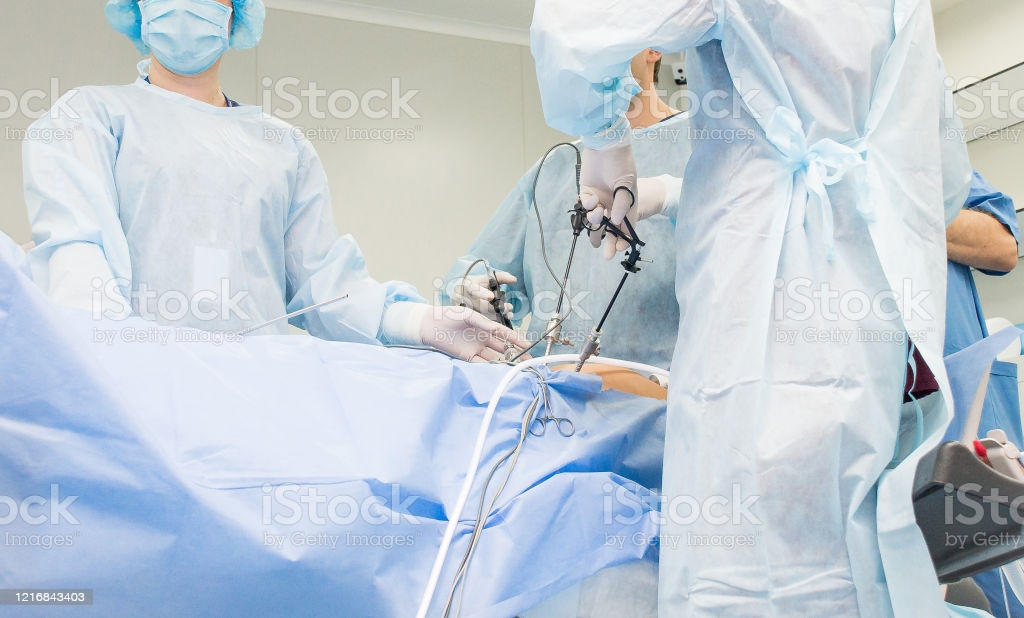
Surgical treatment is performed through laparoscopic surgery, which attempts to loosen adhesions and destroy, burn, or cut away the endometriosis tissue. These surgical procedures are technically demanding and should only be performed by specially trained doctors. When there is an increased risk of perforating the bowel or urinary tract during surgery, it should only be performed in a highly specialized endometriosis unit.
In most cases, it is advisable to continue hormone therapy after surgery to prevent the disease from returning as much as possible. If pain persists, it is important to use pain medication appropriately and some may benefit from learning different psychological pain management strategies when the pain persists.
Pain medication
Both hormonal and surgical treatments for endometriosis are often combined with pain medication. In general, you should stick to paracetamol and the so-called NSAIDs, also known as anti-inflammatory drugs.
Paracetamol acts primarily on the pain pathways in the spinal cord and brain, and to a lesser extent on the area from which the pain is triggered. It reduces the temperature if you have a fever but has almost no effect on the inflammatory reaction itself.
NSAIDs provide pain relief for inflammatory conditions by inhibiting the inflammatory response, but they also have several side effects.
Sometimes stronger pain medication may be necessary. However, for chronic pain conditions, morphine and morphine-like drugs should be avoided. If stronger pain medication becomes necessary, it is best if the treatment is initiated and monitored by a specialist department or pain clinic.