
Exercise: Committed action
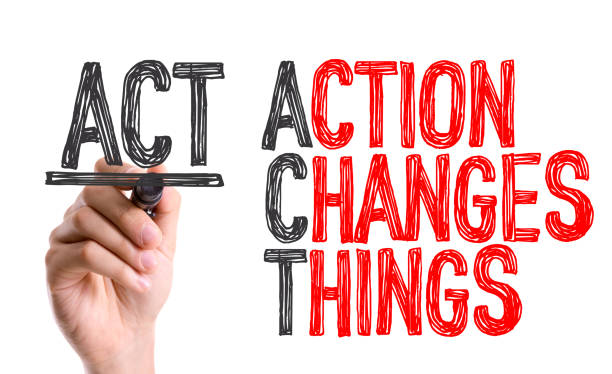
Now is the time for you to start making concrete changes in your life in one of the life areas we have been working on in the last three sessions. The idea is that despite endometriosis and pain, you will start living more in line with your personal values.
Find the different value compasses that you have filled out over the past three weeks. You can choose to look at them individually, or you can transfer them all into a single value compass here:
Choose one of the life areas where the difference between importance and reality was greatest (preferably with a difference of more than 3) or choose a life area that is particularly important to you right now. særligt vigtigt for dig lige nu.
You are now ready to start working from values to goals to action. To do this, use the schema for committed action:
First, write down your chosen life area at the top of the sheet. Then note down the value(s) you have chosen. Then start by briefly describing in sentences what your life looks like right now with regards to this life area and your chosen values. Then describe how you want it to look like.
Now you are ready to set both short-term and long-term goals. When setting goals, it is important that they are SMART goals:
Specific
Meaningful
Attractive
Realistic
Time-defined
For each goal, describe what concrete steps or actions you will take, or what behavioral changes you will make to get closer to your values. We call this "committed action".
To increase the likelihood that you will succeed with your committed action and the steps you have set out to take, it is important that what you decide to do is meaningful to you. It is also important that you make the action as specific or concrete as possible, i.e.:
- What do you want to do?
- Who will you do it with?
- When do you want to do it and for how long?
- Where will it take place?
Last but not least, it is important that the action is realistic to complete. You need to consider your health, time, finances, competencies, and abilities when deciding whether it is realistic.
You can now ask yourself what is the probability that you will get it done from 0-100%. If there is less than 80% probability that you will get it done, you need to adjust the action (possibly lower the bar - take smaller steps) to increase the probability of getting it done. Start with several small steps rather than one step that is too big.
Remember that it is not always about doing more, sometimes it is also about doing less of something to get closer to living in agreement with your values.